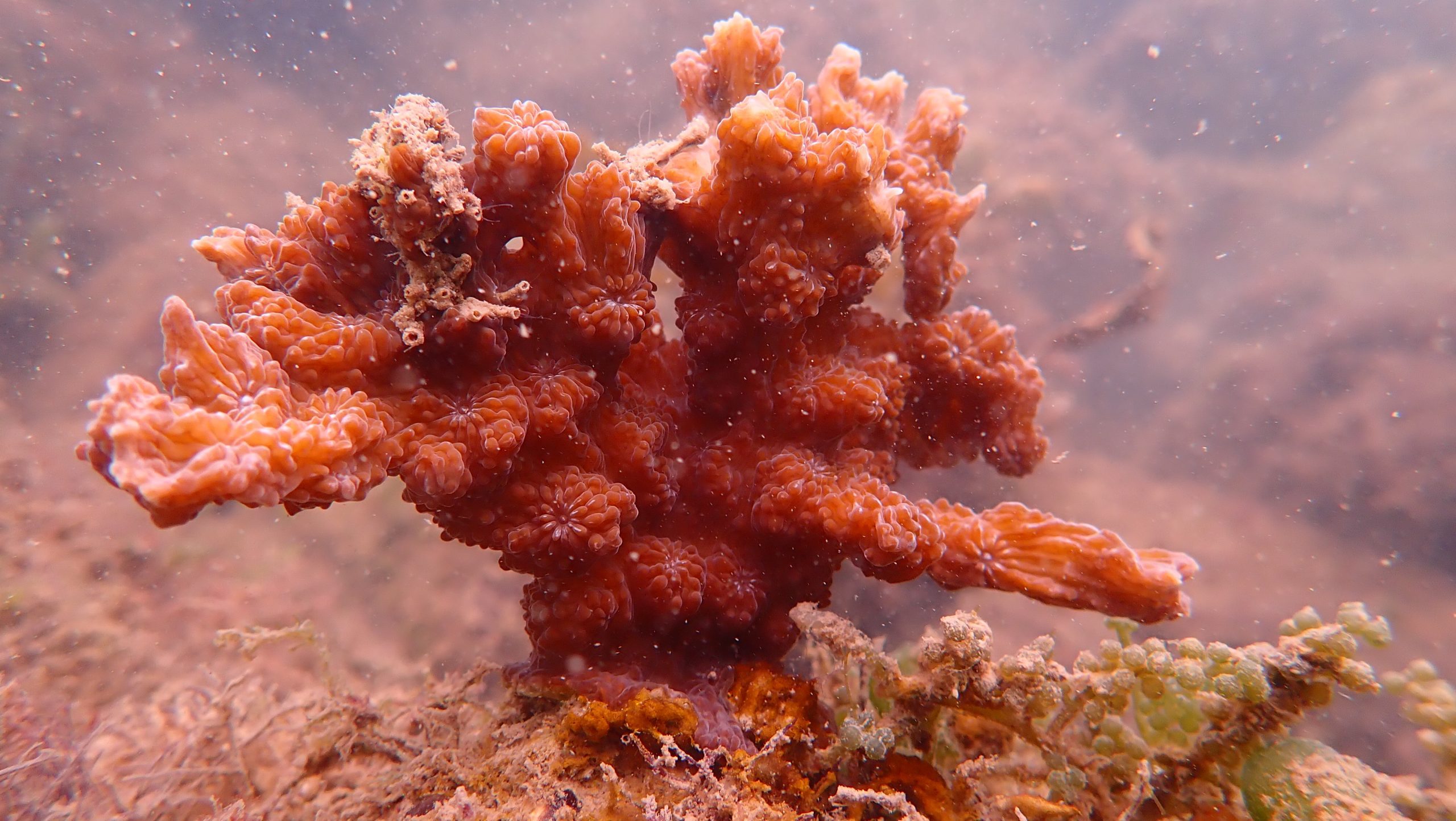
In conjunction with the Tropical Marine Science Institute (TMSI) of NUS and sponsors The International SeaKeepers Society Asia, Audi Singapore and SC Global Developments, this project aims to protect the marine-eco-system in our marina and provide a natural habitat for existing sea life so that we may nurture an aquatic treasure trove for all to explore.
In this post, we would like to document and share the exciting updates and project developments through our restorative efforts.
UPDATES
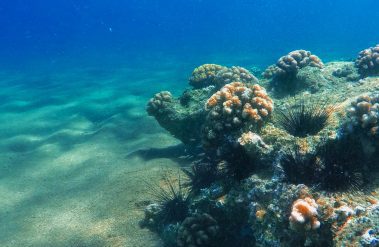
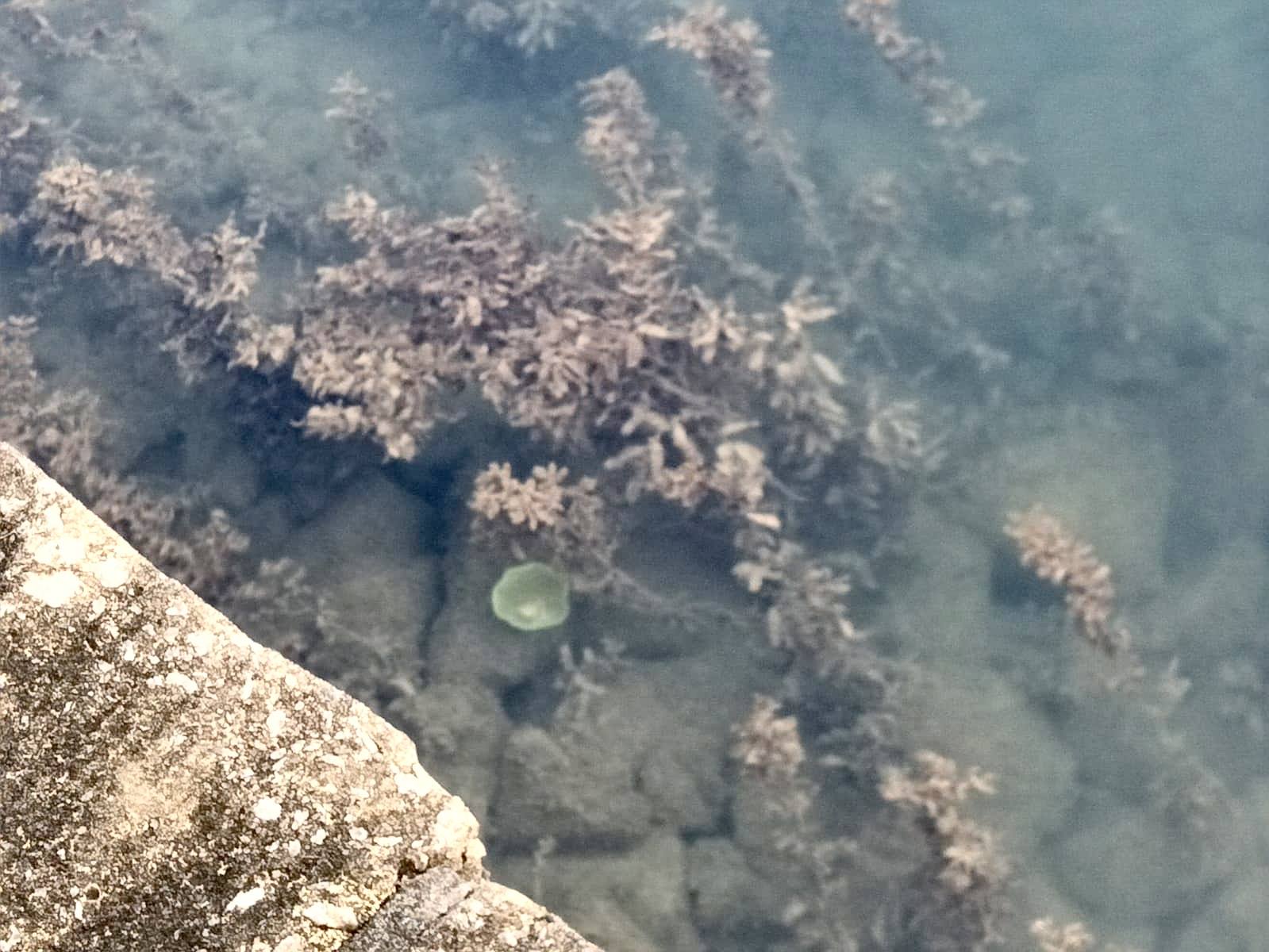
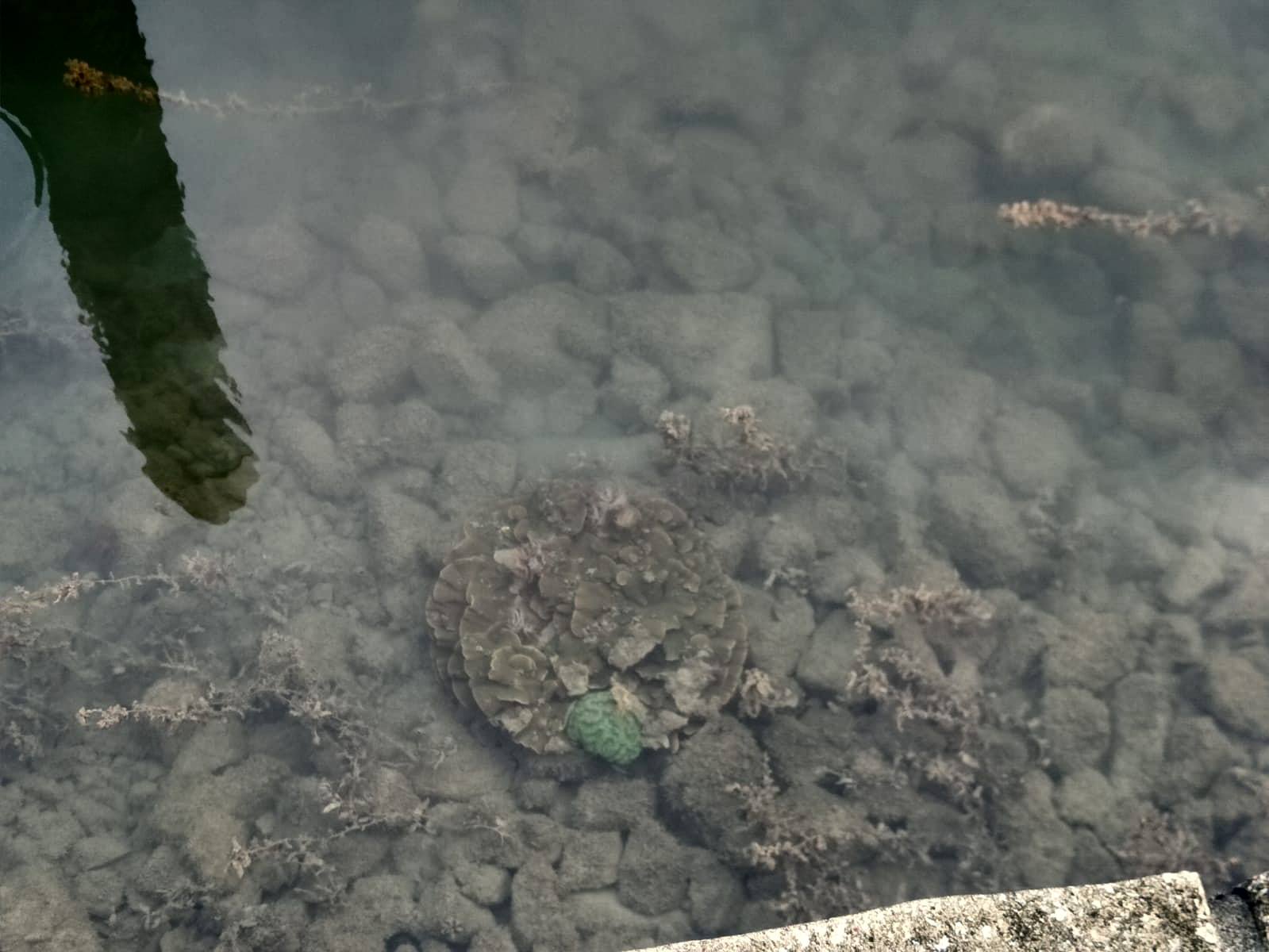
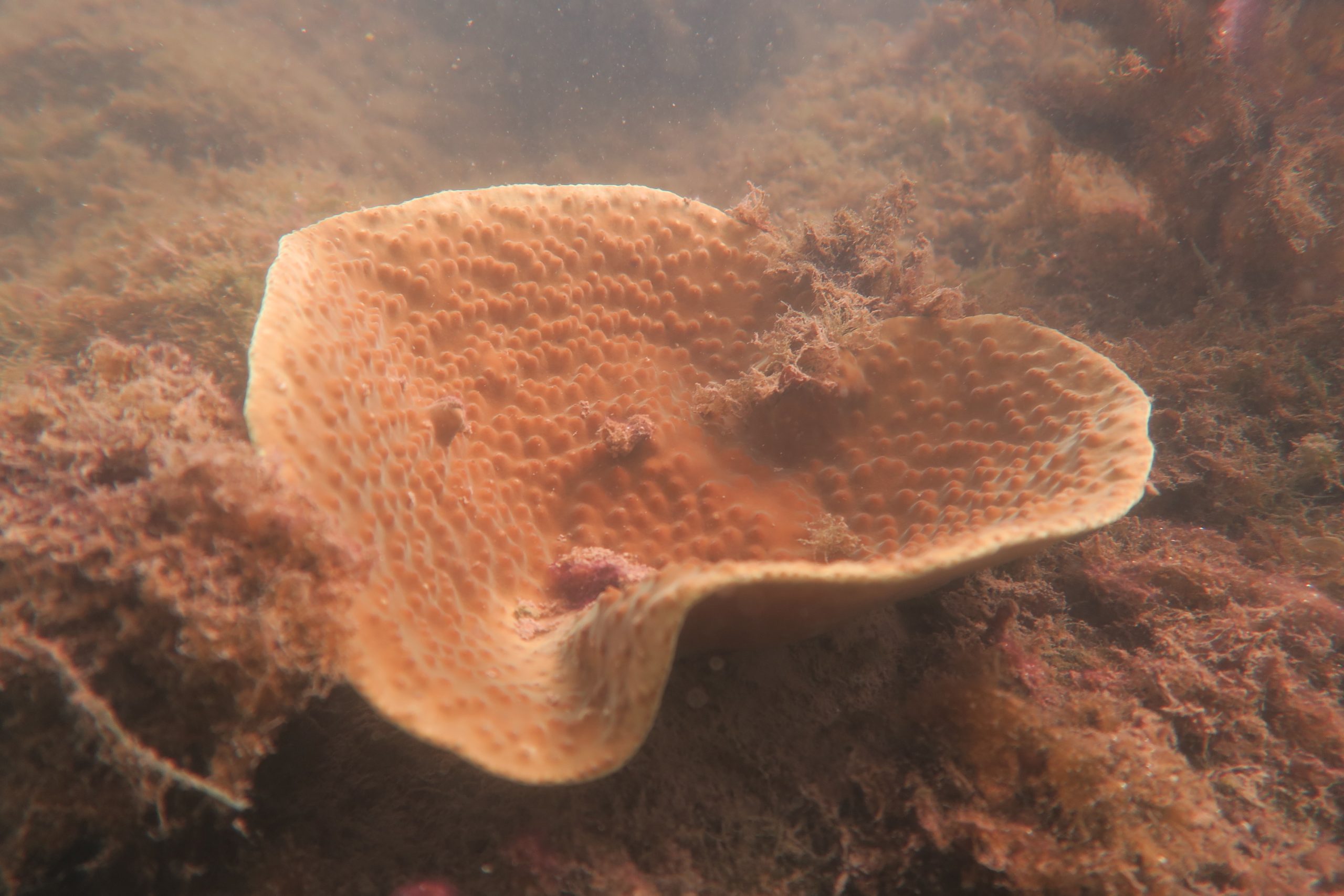
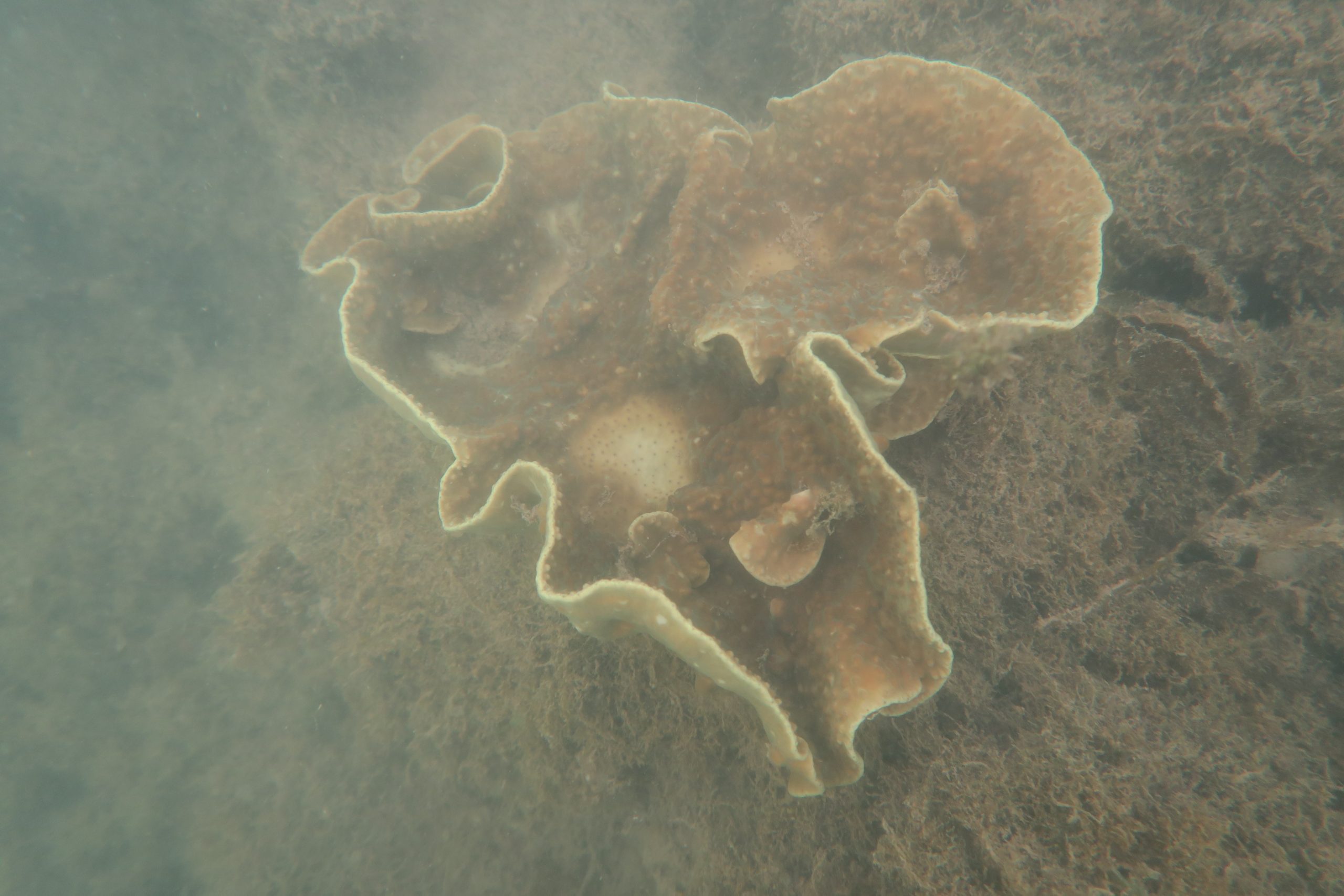
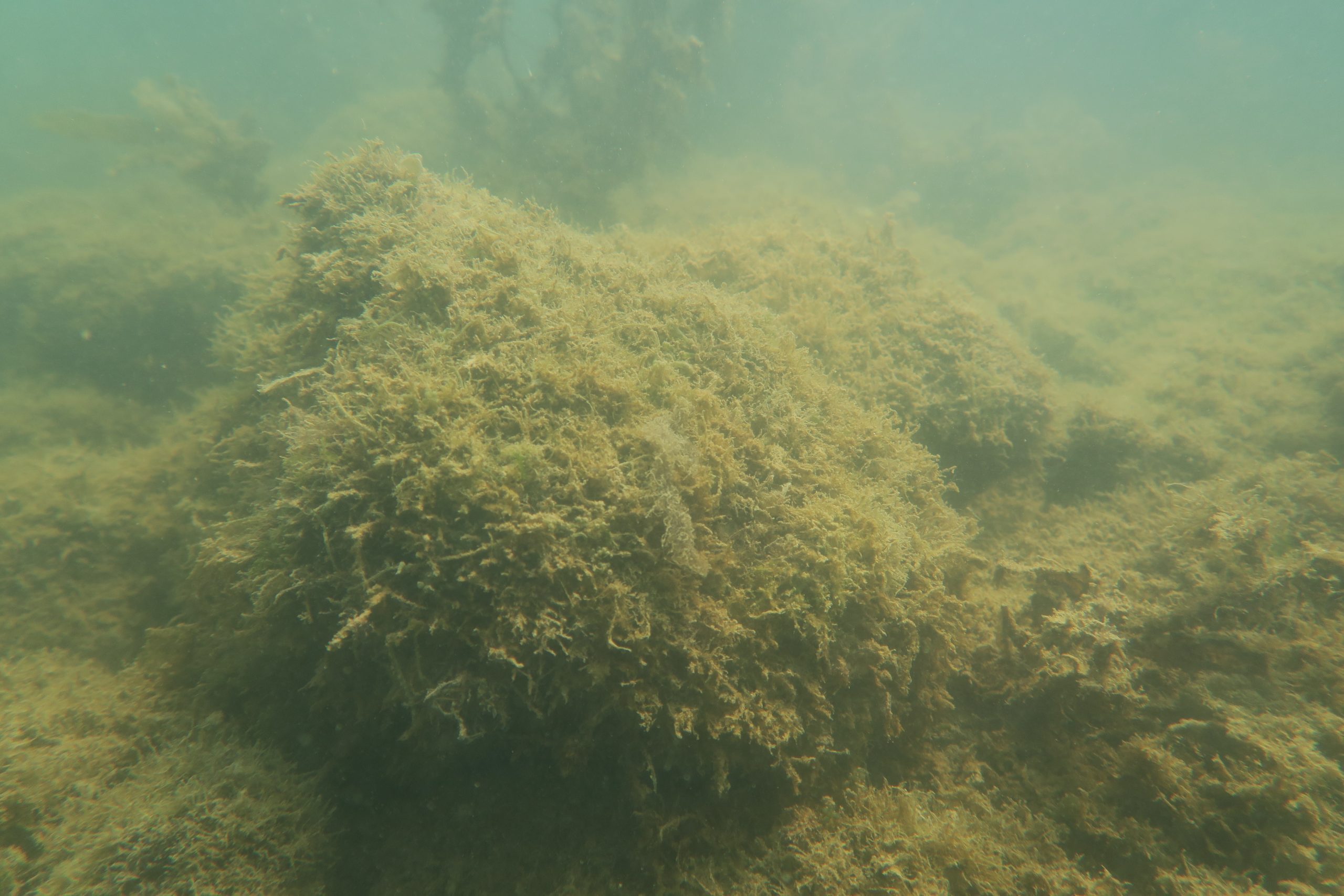
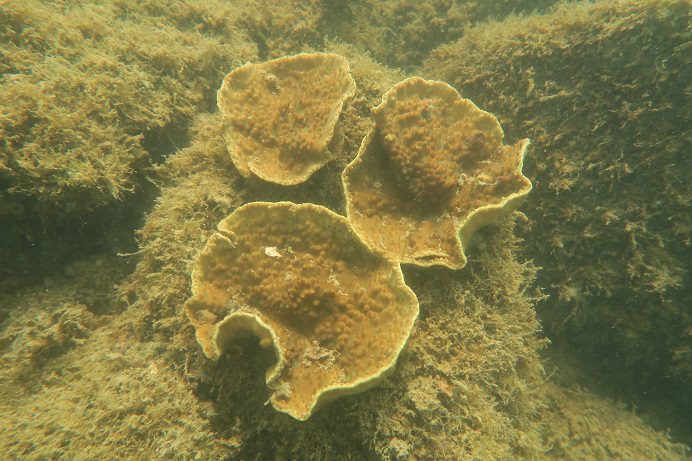
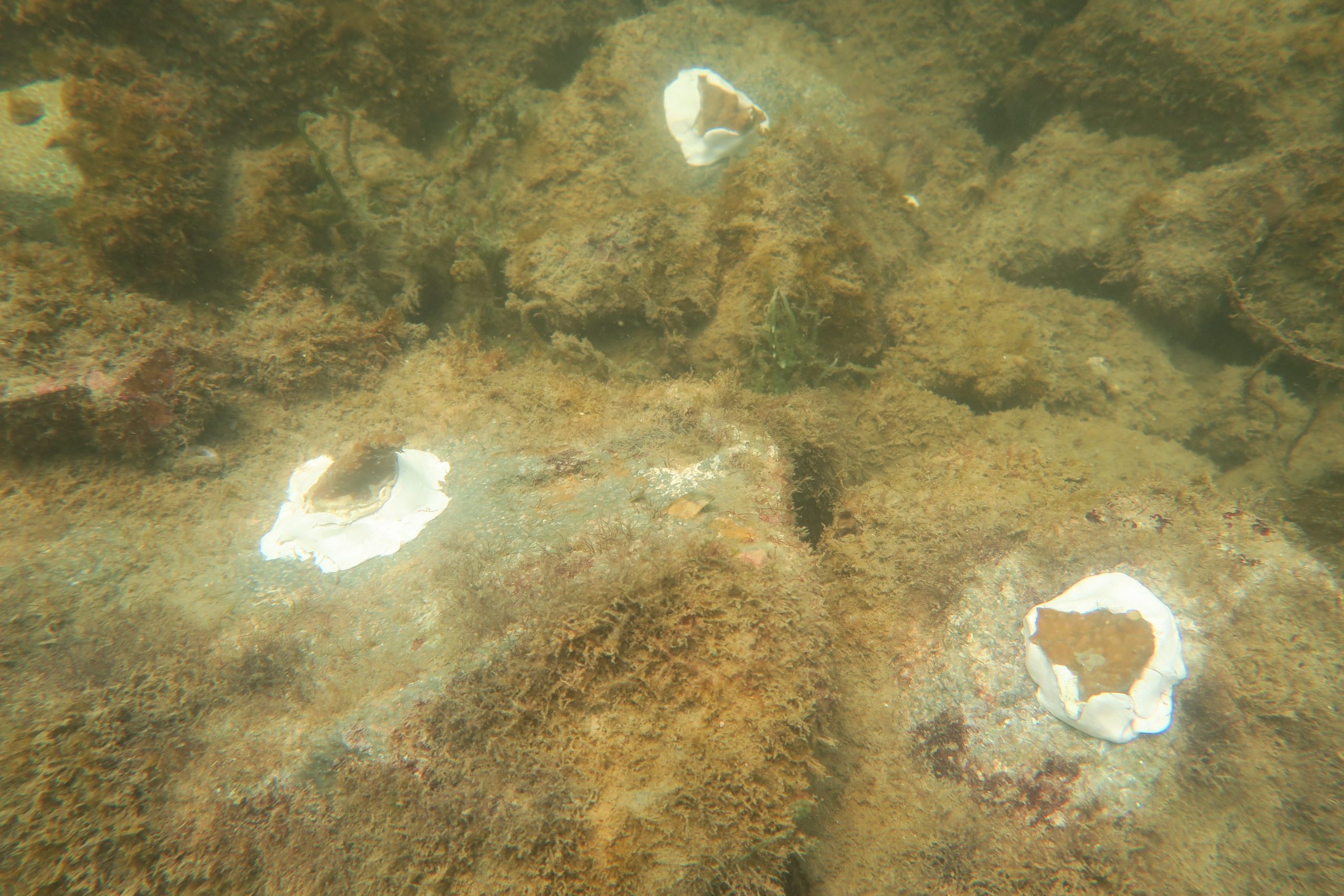
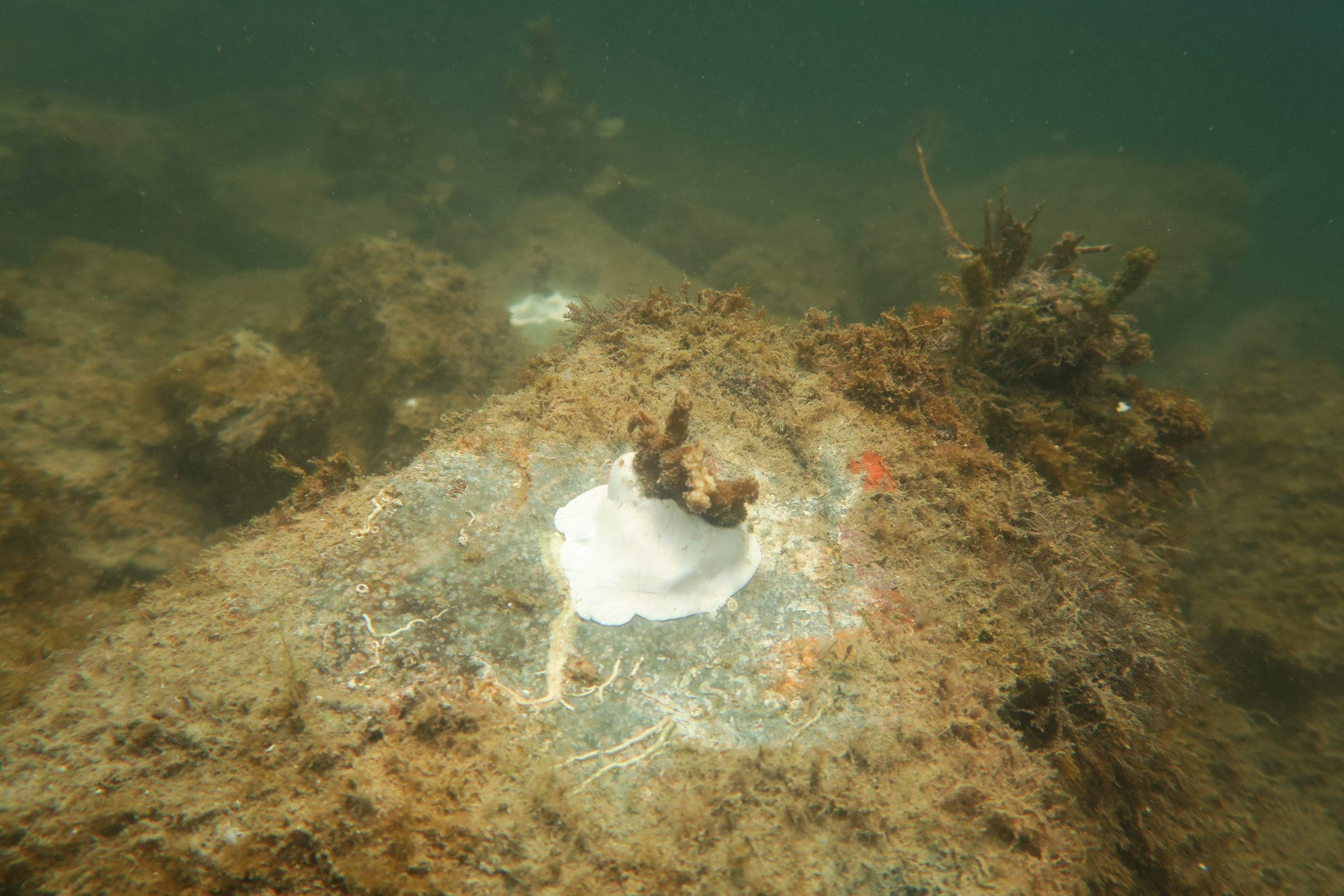
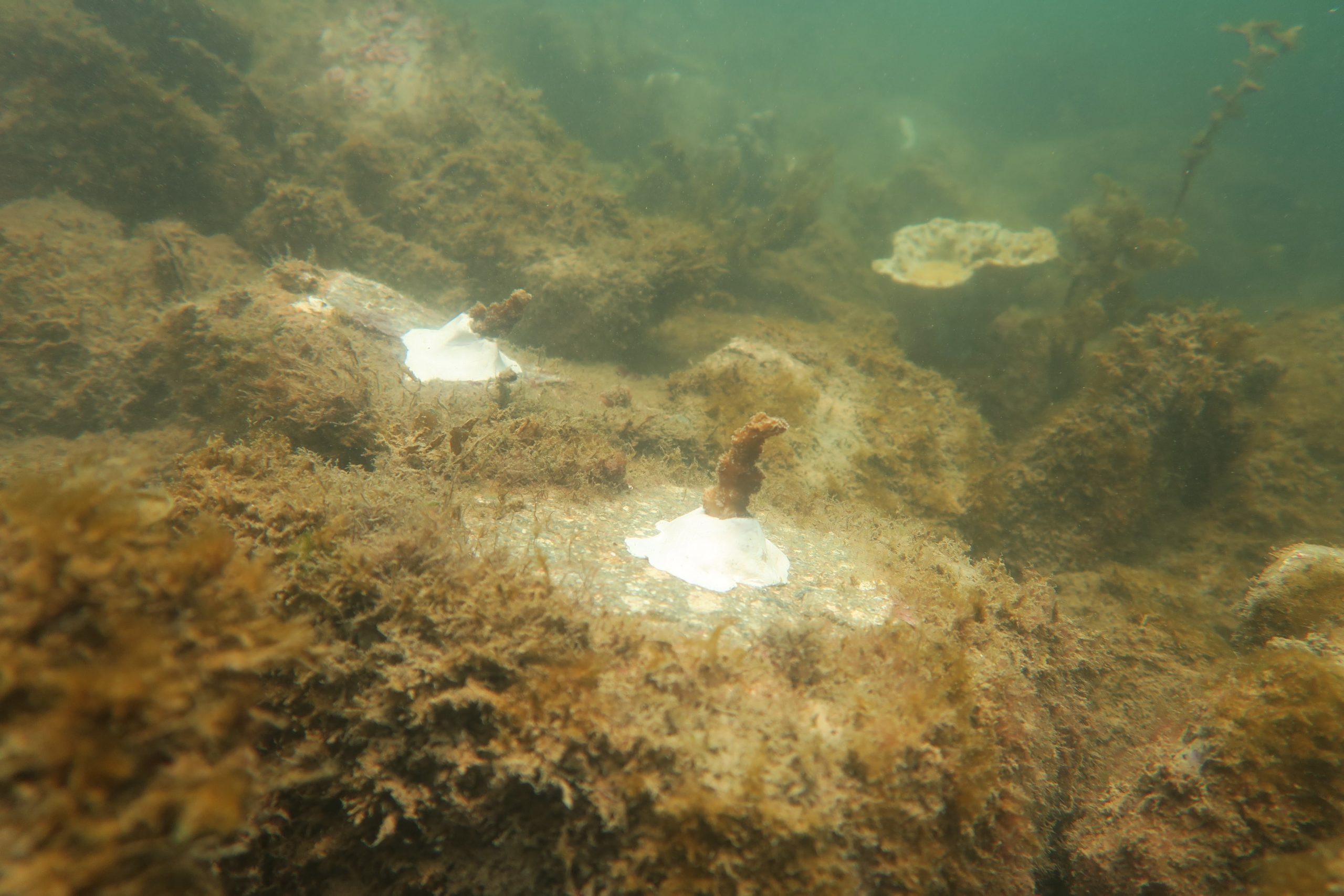
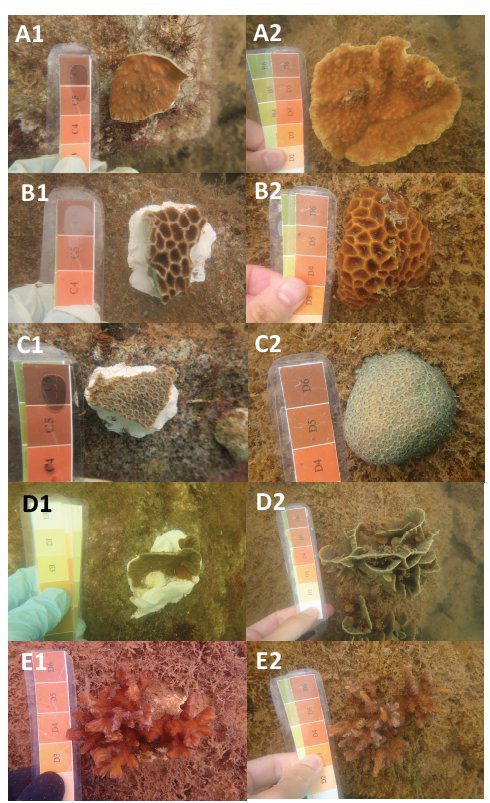
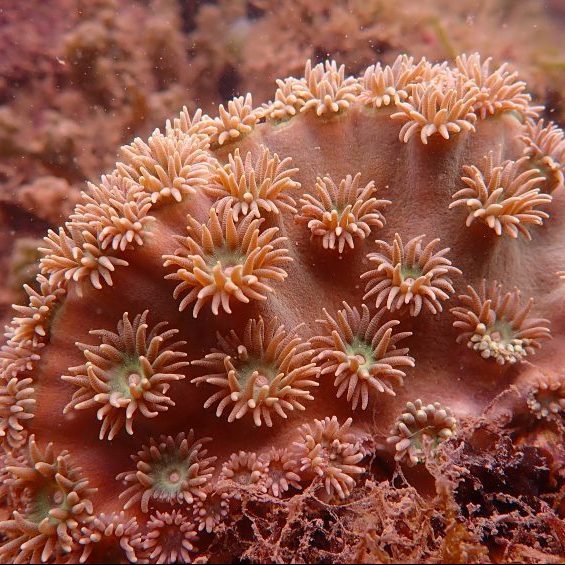
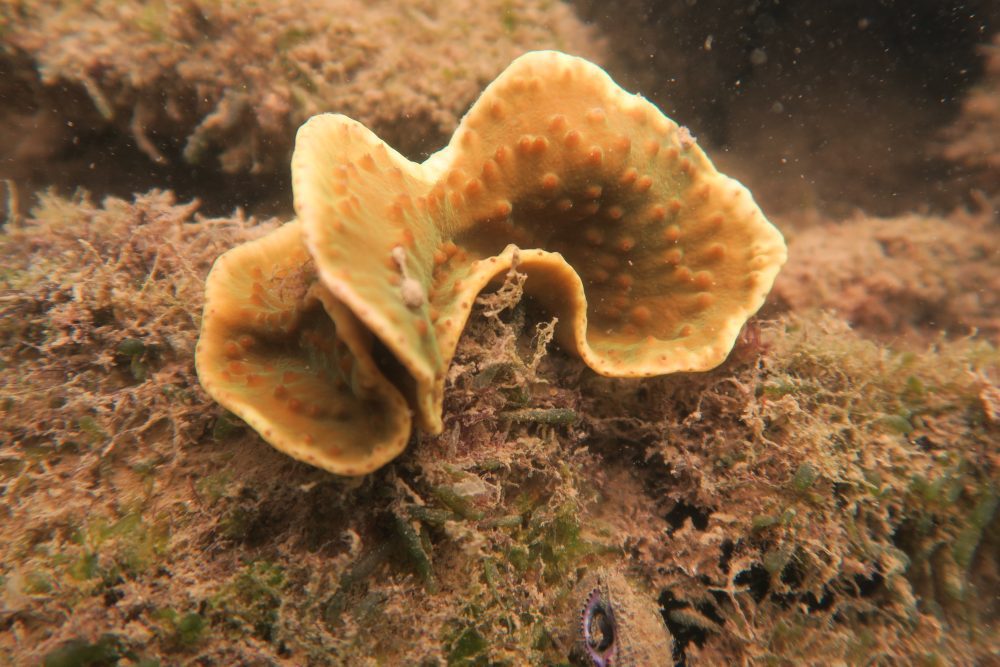
21 June 2021 Coral transplants on the seawall In total, 239 hard coral fragments have been transplanted to the seawall. As of 21 June 2021, 130 coral transplants remained, contributing to 1.48 m2 of live coral area. Most coral transplants appeared healthy with visible growth of new tissue. Some coral transplants also started to merge.
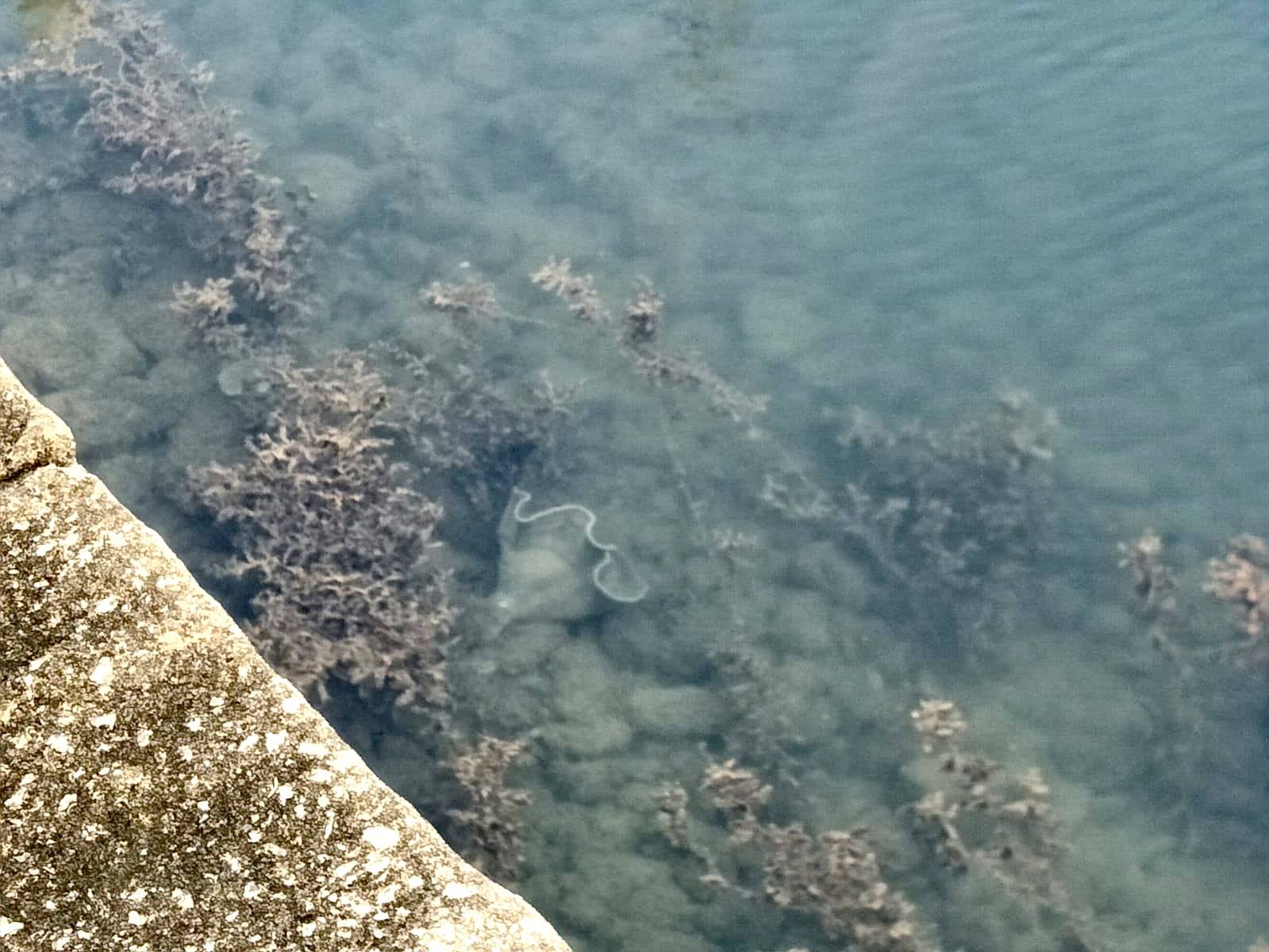
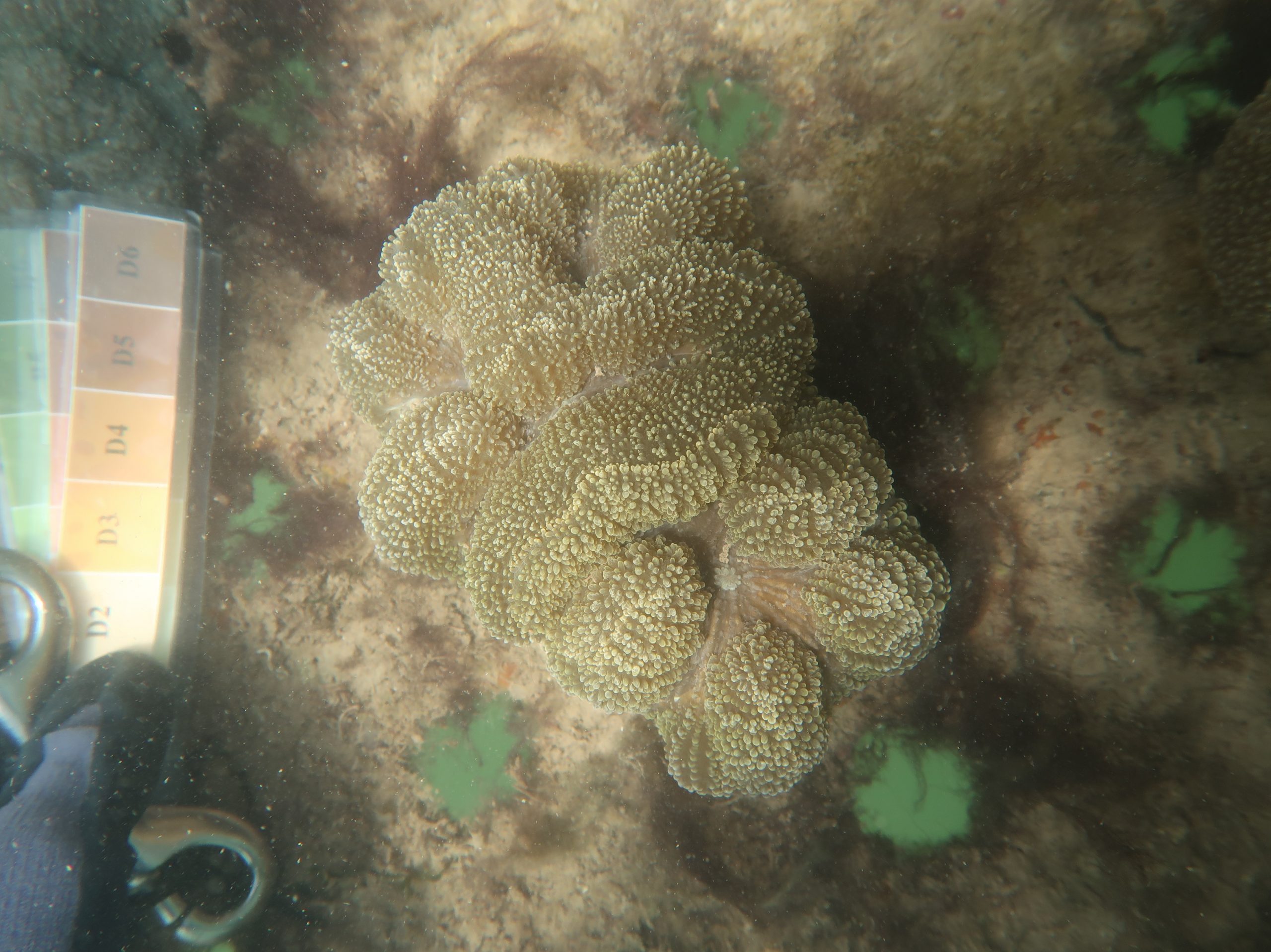
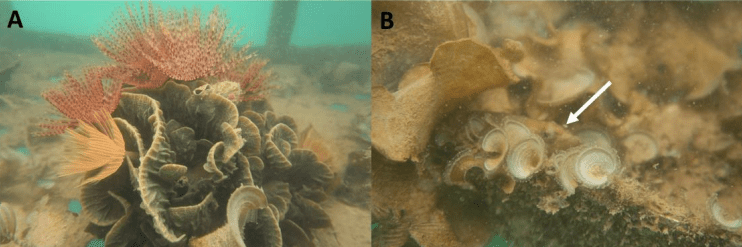
Coral fragments on nursery frames Since August 2019, 106 coral fragments from 14 genera have been transferred to the new frames. As of June 2021, 63 live coral fragments remained on the nursery frames. Most of the surviving coral fragments were healthy, and some coral colonies such as Cyphastrea and Porites had encrusted on the frames. Reef fauna such as feather duster worms, juvenile carpet eel blennies and Haddon’s carpet anemones have also been documented on the nursery frames, highlighting the potential of the structures to function as novel habitats for marine organisms.
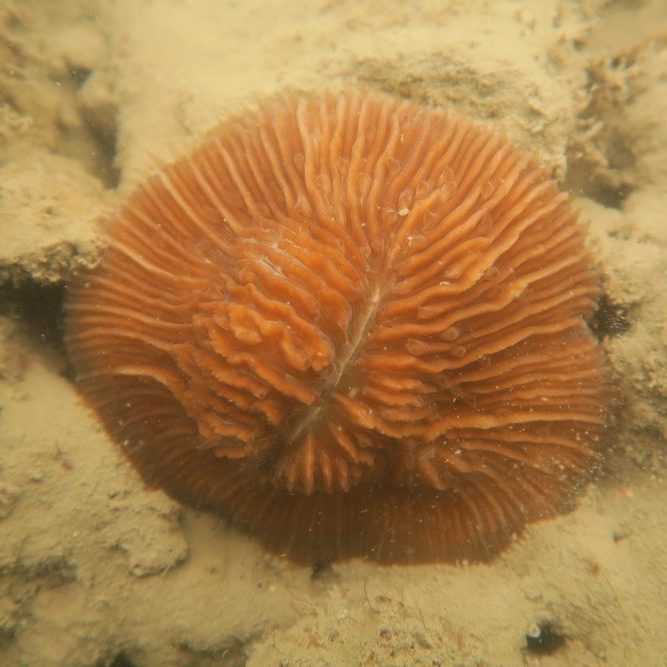
All surviving transplants increased in live tissue area, ranging from 1.1 to 61.7 times. Turbinaria mesenterina transplants had the fastest mean areal growth (7.3 ± 3.4 cm2/month) amongst the species.
Take a look at our seabed that’s now populated with corals!
18 August 2020
An update on our coral garden after 6 months!
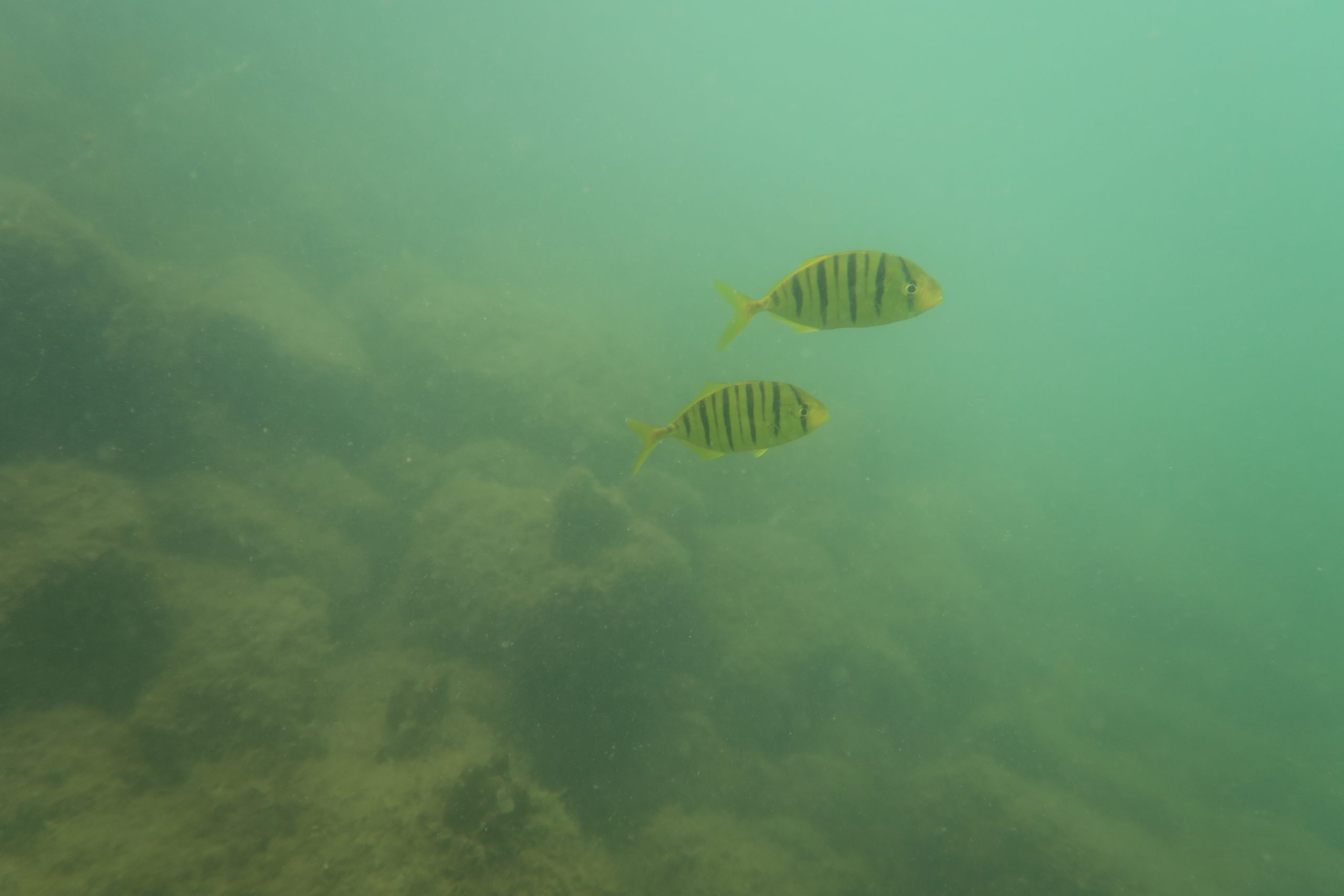
Fishes are spotted in the seas, making our coral garden their home!
Our coral garden is also spotted growing well and looking healthy after the transplant. Just take a look at the before (left) & after (right) photos of our coral garden! As of 15 January 2020, 174 live coral transplants remained on the seawall with an overall survivorship of 72.8% and a total area of 7301.33 cm².
Take a dive under the waters and check out how the researchers from the Tropical Marine Science Institute (TMSI) of NUS conduct the coral garden transplantation!
Six new nursery frames were installed along the pontoons at Area P on 28th August 2019. As of January 2020, 95 live coral fragments remained on the nursery frames. Most coral fragments had recovered from the fragmentation process and appeared healthy.
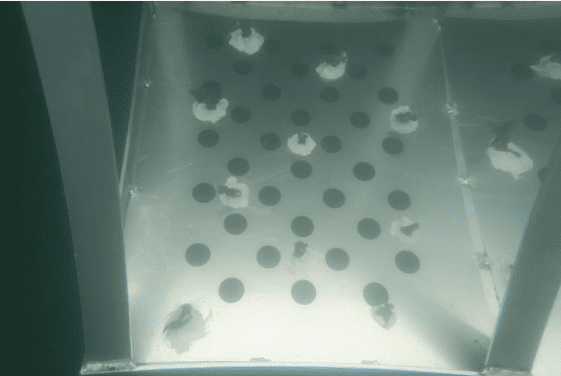
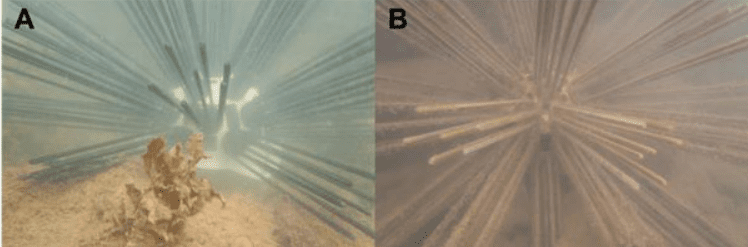
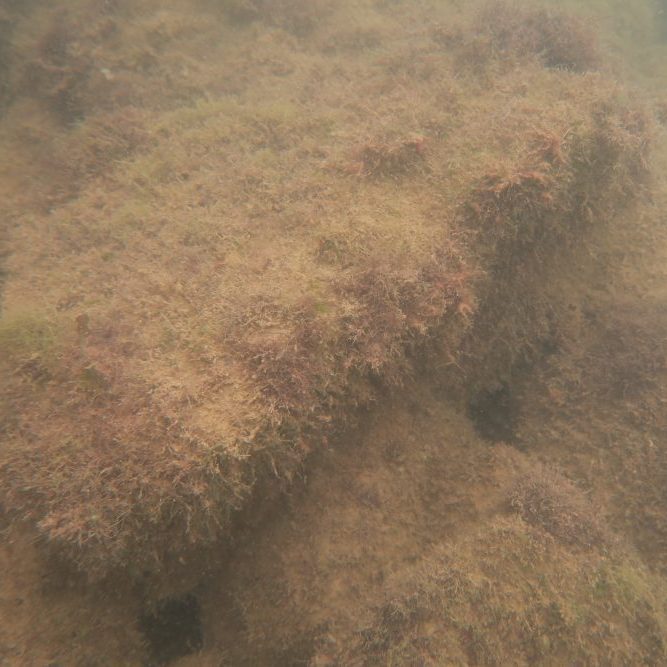
On 31st July 2019, the team were requested by management to assist in the deployment of a “coral aggregating structure”. As of January 2020, only sediment and turf algae were observed on the structure. Below is an image of the structure at the start and six months after deployment.
8 September 2019
ONE°15 Marina is extremely honored to have our event sponsor, Marina Technology & Construction Pte Ltd (MTC) as a part of the PACT (Plant-A-Coral-Today) Project on our 12th Anniversary. A group of divers from NUS Tropical Marine Science Institute played their part by planting corals at the Marina, in an effort to build a thriving Marine biodiversity within the waters of ONE°15 Marina Sentosa Cove.
29 August 2019
Check out the growth of the coral fragments over a period of 3 months, what progress!
The team has also installed 6 new nursery frames along the pontoons and transferred corals of opportunity (COPs) onto the new frames to improve the health and survivorship of the coral fragments. The old frames will be repurposed as nursery tables by overturning and anchoring them to the seabed to rear more corals.
12 June 2019
Here are some before and after photos of our coral garden, as well as a sneak peek of the coral monitoring process.
15 April 2019
Over the past few months, the TMSI team transferred over 70 coral fragments onto the new seawall, monitoring their growth and health. The overall transplant survivorship was 91.1% – most coral transplant recovered from the transplantation process and appeared healthy with visible growth, growing up to twice their initial area.
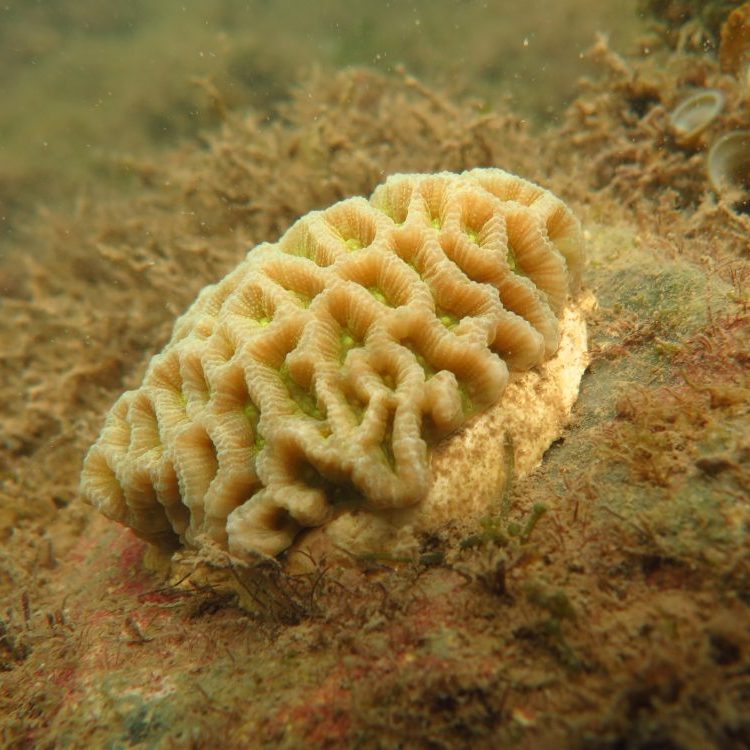
These statistics show that using marine epoxy was viable in assisting the transplation of corals at ONE°15 Marina, and that certain species such as Tubrinaria mesenterina and Goniastrea aspera are suitable for larger-scale marina transplantation.
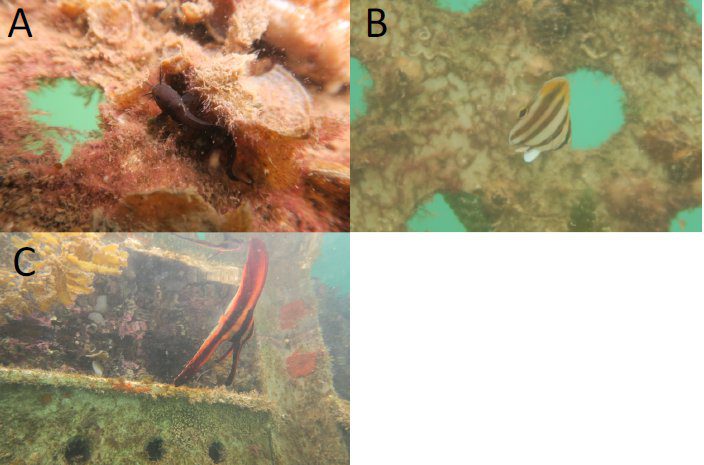
Juvenile marine fishes such as the black eeltail catfish, kite butterflyfish, and longfin spadefish were seen seeking shelter and food at the nursery frames.
8 January 2019
The TMSI team are currently working on the following recommendations to enhance the coral gardens
Convert two wells from Boaters Bar and all six floating nursery frames into nursery tables.
Reinforce and replace new metal mesh on all 3 old floating nursery frames.
Install additional new six floating nursery frames based on the old metal frame structures.
Diving to transfer some corals from the floating frames to temporary holding frames to assess the integrity of the old frames.
24 December 2018
We are proud to report that there has been an overall coral transplant survivor-ship of 93.2%. Most of the coral transplants have recovered from the transplantation process and appeared healthy with visible growth. The transplants increased in size by an average of 0.97 – 1.59 times.
30 November 2018
We transferred 36 coral fragments from the nursery to the seawell. In total, 80 hard coral fragments have been transplanted to the seawell area. 77 live coral transplants remained on the seawall. The total area of coral transplants was 1503.4cm2.
We use cookies to improve website performance, support analytics, personalise content, and enhance your browsing experience on this site. Select Accept All for a seamless experience, or Cookie Settings to customise your preferences. Find out more in our
Privacy Policy.
Cookies are small text files that can be used by websites to make a user's experience more efficient. The law states that we can store cookies on your device if they are strictly necessary for the operation of this site. For all other types of cookies we need your permission. This site uses different types of cookies. Some cookies are placed by third party services that appear on our pages.
Necessary cookies help make a website usable by enabling basic functions like page navigation and access to secure areas of the website. The website cannot function properly without these cookies.
Marketing cookies are used to track visitors across websites. The intention is to display ads that are relevant and engaging for the individual user and thereby more valuable for publishers and third party advertisers.
Preference cookies enable a website to remember information that changes the way the website behaves or looks, like your preferred language or the region that you are in.